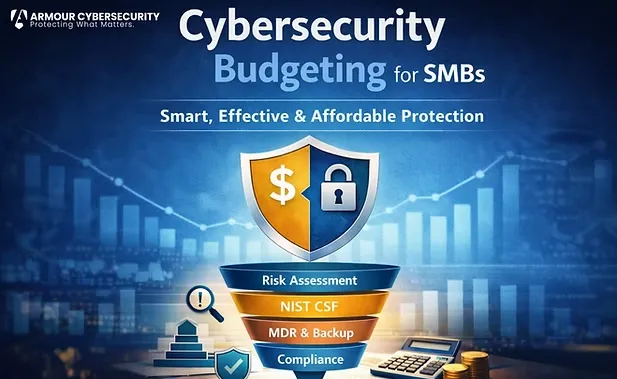
In an era where digital threats are drastically reshaping the landscape for every business, a proactive cybersecurity framework has never been more critical… Traditional defense mechanisms are no longer sufficient. Firewalls and antivirus tools cannot compensate for inadequate cyber risk visibility or reactive security policies. This is precisely why a Cybersecurity Posture Assessment has become a foundational starting point for any serious risk management program — it gives organizations an objective, comprehensive snapshot of where their defenses stand today, where the critical gaps are, and what needs to be prioritized before attackers find it first. Without that baseline understanding of your current posture, risk management decisions are made in the dark.
QUICK ANSWER
Cyber risk management is the structured process of identifying, assessing, prioritizing, and mitigating cybersecurity risks that could affect an organization’s operations, data, finances, or reputation. Effective cyber risk management combines governance, risk assessments, security controls, continuous monitoring, and incident response planning to reduce the likelihood and impact of cyber incidents.
KEY TAKEAWAYS
☑ Cyber risk management helps organizations identify and reduce cybersecurity threats before they become business disruptions.
☑ Effective programs combine risk assessments, governance, security controls, monitoring, and incident response.
☑ Frameworks such as NIST CSF and ISO 27001 provide structured approaches to managing cyber risk.
☑ Third-party and supply chain risks are now among the most significant cybersecurity concerns.
☑ Cyber risk management supports compliance, cyber insurance readiness, and long-term business resilience.
Understanding Cyber Risk and Its Potential Impact
Cyber risk involves the possibility of an adverse event affecting the confidentiality, integrity, or availability of critical data and systems. A thorough risk assessment is the first step toward identifying vulnerabilities, whether they reside in internal networks, third-party connections, or the broader supply chain. The potential impact of cyber threats extends well beyond data breaches; disruptions can lead to financial losses, damage to brand reputation, and interruptions in business operations. Recognizing these challenges early enables organizations to develop effective risk mitigation strategies and adopt necessary security measures.
Key Components of Effective Cyber Risk Management
-
- Risk Assessment:A detailed risk assessment serves as the cornerstone of a robust cybersecurity risk management process. It involves the systematic evaluation of current security measures and the identification of potential risks arising from emerging cyber threats. This stage helps organizations pinpoint deficiencies in security controls and determine the required enhancements to their risk management framework.
-
- Cybersecurity Posture Assessment Before selecting or prioritizing security controls, organizations need to understand where they actually stand. A Cybersecurity Posture Assessment evaluates your current infrastructure, existing security controls, policy enforcement, incident response readiness, and compliance status against industry frameworks such as NIST CSF or ISO 27001. It produces a clear risk rating, identifies the highest-priority gaps, and gives leadership a defensible, evidence-based view of the organization’s security maturity. This assessment is often the catalyst that turns a reactive IT security function into a proactive risk management program — and it’s the most reliable way to prioritize where limited resources will have the greatest impact.
-
- Risk Mitigation:Once potential risks are identified, effective risk mitigation strategies must be enacted. These strategies encompass deploying advanced security controls, reinforcing the expertise of the security team, and updating policies to address newly discovered threats. Proactive risk mitigation is crucial in minimizing the potential impact of data breaches and other cyber incidents.
-
- The Role of Technology: Network Security Tools and Beyond Technology is the operational backbone of any cyber risk management program, and choosing the right network security tools is one of the most impactful decisions an organization makes. With over 4,000 cybersecurity technologies on the market today, SMBs and growing enterprises alike struggle to navigate and implement the right solutions for their specific environment. The most effective network security tools work in concert, not in isolation — a well-configured firewall, intrusion detection and prevention systems (IDS/IPS), endpoint detection and response (EDR), SIEM platforms for log aggregation and threat correlation, encryption protocols, and vulnerability management systems all contribute different layers of visibility and control. The goal is not to accumulate tools, but to build a layered, integrated defense where each tool closes gaps that others leave open. Regularly auditing your network security tools stack — testing whether each tool is properly configured, actively monitored, and generating actionable intelligence — is as important as selecting the tools in the first place.
Crafting a Holistic Risk Management Strategy
Developing an integrated risk management strategy is essential for organizations that aim to thrive amidst a complex threat landscape. A holistic strategy provides numerous benefits:
-
- Enhanced Preparedness:A dynamic cybersecurity risk management process allows organizations to anticipate potential risks, ensuring that they are well-prepared to implement countermeasures before incidents occur.
-
- Cost-Effective Protection:Investing in state-of-the-art security measures and risk mitigation techniques not only reduces the likelihood of costly data breaches but also minimizes downtime and associated financial losses.
-
- Regulatory Compliance:Adhering to established data security regulations is vital in many industries. A comprehensive risk management framework facilitates compliance with these standards, thereby avoiding legal penalties and enhancing the organization’s credibility.
-
- Business Continuity:By managing risk effectively, companies can ensure that critical processes continue to operate seamlessly, even when confronted with a cyber threat. This continuity is essential for maintaining customer trust and sustaining competitive advantage.
Navigating the Evolving Threat Landscape
Cyber threats are constantly evolving, and static risk management strategies quickly become obsolete. Organizations must continuously review and update their cybersecurity risk management process to counter emerging dangers effectively.
Emerging Cyber Threats
Modern cyber threats present a range of challenges that require constant vigilance:
-
- Ransomware Attacks:These malicious attacks encrypt critical data, demanding ransom payments to restore access. Organizations must implement a rigorous risk management framework to mitigate the impact of ransomware and ensure rapid response in the event of an attack.
-
- Phishing Schemes:Cybercriminals employ sophisticated phishing tactics to trick employees into revealing sensitive information. Continuous education and training of the security team are essential components in managing risk from these deceptive threats.
-
- Supply Chain Vulnerabilities:Weaknesses in the supply chain can provide an entry point for cyber attacks. A comprehensive risk assessment should extend to third-party vendors to identify and address vulnerabilities that could jeopardize overall information security.
-
- Zero-Day Exploits:These exploits target previously unknown vulnerabilities before patches are available. Organizations must invest in robust monitoring systems and develop rapid response protocols to mitigate the potential impact of zero-day threats.
Establishing a Resilient Cybersecurity Infrastructure
A robust cybersecurity risk management process is underpinned by a resilient infrastructure designed to detect, respond to, and recover from cyber incidents. Key elements include advanced threat detection systems, encryption protocols, and detailed incident response plans.
Security Measures and Controls
Advanced Security Measures: Deploying multiple layers of defense is crucial to counter cyber risk. Organizations should utilize firewalls, intrusion detection systems, and anti-malware solutions to prevent unauthorized access and detect potential threats early.
Comprehensive Security Controls: Effective security controls encompass both technical and administrative measures. Technical controls, such as encryption and access restrictions, work in tandem with administrative controls like policies, procedures, and regular audits. Integrating these controls within a structured risk management framework significantly reduces vulnerabilities and enhances overall information security.
The Crucial Role of the Security Team
A dedicated security team is integral to the success of any cybersecurity risk management process. This team is responsible for monitoring the threat landscape, conducting regular risk assessments, and ensuring that security measures remain up to date. Their expertise and proactive management are vital in adapting to new cyber threats and revising the risk management strategy accordingly.
Ensuring Supply Chain Security
Modern enterprises operate within a networked ecosystem, making supply chain security an increasingly critical aspect of cyber risk management. Vulnerabilities in third-party systems can expose an organization to significant risks. By incorporating supply chain considerations into the risk management framework, companies can work collaboratively with vendors and partners to establish stringent security controls and maintain data security across all channels.
The Cybersecurity Risk Management Process
Implementing a comprehensive cybersecurity risk management process involves a series of systematic steps designed to identify, assess, and mitigate risks effectively:
-
- Identification:The process begins with identifying all digital assets and potential vulnerabilities. A comprehensive inventory combined with a detailed risk assessment helps in recognizing where security measures might fall short.
-
- Assessment:After identification, a detailed risk assessment is conducted to evaluate the potential impact of each threat. This assessment prioritizes risks based on their likelihood and severity, helping organizations focus on areas that demand immediate attention.
-
- Implementation:Once risks are prioritized, organizations deploy tailored security measures and controls to mitigate identified threats. This step includes the adoption of advanced technologies, refinement of security policies, and comprehensive training for the security team to ensure they can manage risk effectively.
-
- Monitoring and Review:Cyber risk management is a continuous process. Constant monitoring and periodic reviews are essential to ensure that implemented security controls remain effective against evolving cyber threats. Regular audits and updates to the risk management framework help maintain a robust security posture.
-
- Response and Recovery:Despite proactive measures, cyber incidents may still occur. A well-defined incident response plan is critical for containing and mitigating the impact of an attack. Recovery strategies focus on restoring data security, minimizing operational downtime, and learning from each incident to improve future risk management practices.
-
- Leveraging the National Institute of Standards in Cyber Risk Management
Incorporating guidelines from reputable authorities, such as the National Institute of Standards, can significantly enhance a company’s cybersecurity risk management process. Their frameworks provide a structured methodology for assessing and addressing vulnerabilities, ensuring that organizations adhere to industry best practices.
Advantages of Standardized Frameworks
-
- Benchmarking Security Measures:By following standardized frameworks, organizations can compare their security controls against industry norms and identify gaps in their risk management strategy.
-
- Streamlined Communication:
Standardized processes improve communication between the security team, management, and external stakeholders, making it easier to articulate the risk management strategy and secure necessary support.
- Streamlined Communication:
-
- Regulatory Compliance:Compliance with established standards often translates to adherence with regulatory requirements. This alignment not only reduces the risk of legal penalties but also bolsters the organization’s reputation in the marketplace.
Future Trends in Cyber Risk Management
As the digital landscape evolves, the field of cyber risk management will continue to advance. Several emerging trends promise to reshape how organizations approach cybersecurity:
-
- Increased Automation:The integration of artificial intelligence and machine learning is set to automate many aspects of risk assessment and threat detection. Automated systems will allow security teams to focus on strategic decision-making while routine monitoring tasks are handled by intelligent algorithms.
-
- Enhanced Collaboration:Cyber threats are no longer confined to individual organizations. Greater collaboration between industry peers, government bodies, and cybersecurity experts will facilitate the sharing of threat intelligence and best practices, leading to a more resilient collective defense.
-
- Focus on Supply Chain Security:With an increasing number of high-profile supply chain attacks, there will be a heightened emphasis on securing third-party systems. Organizations will invest more resources in conducting thorough risk assessments of their vendors and establishing rigorous security controls across the supply chain.
-
- Evolution of Security Measures:As new technologies emerge, security measures and controls will need to evolve to address novel cyber threats. Continuous innovation in cybersecurity risk management strategies is essential for maintaining robust protection against future challenges.
Conclusion: A Dynamic Approach to Cyber Risk Management
Cyber risk management, cybersecurity risk management, and cyber security risk management are indispensable in a world where digital transformation is a constant. A well-crafted risk management strategy, reinforced by a resilient risk management framework and informed by standards such as those from the National Institute of Standards, is the foundation for safeguarding an organization’s future. From conducting comprehensive risk assessments and deploying advanced security measures to continuously monitoring the threat landscape, every step is critical in managing risk effectively.
Organizations must remain adaptable, recognizing that cyber risk is an ever-changing challenge that demands ongoing attention. By embracing a proactive, structured approach to managing risk and investing in robust security controls, businesses can protect against data breaches and ensure operational continuity even amidst emerging threats.
A strategic cybersecurity risk management process transforms potential vulnerabilities into opportunities for improvement. The integration of cutting-edge technologies such as automation and artificial intelligence further enhances an organization’s ability to detect, assess, and mitigate cyber risks swiftly. Ultimately, the goal is not just to defend against current threats but to build a resilient infrastructure that supports sustainable growth and operational success in an increasingly interconnected world.
Investing in comprehensive risk management today is essential for securing data, maintaining information security, and protecting against the myriad cyber threats that lie ahead. By continuously evolving the cybersecurity risk management process and aligning it with global standards, organizations can achieve a competitive advantage, foster trust among stakeholders, and secure their digital future.
Embrace a forward-thinking approach to risk management and ensure that your organization is well-prepared to navigate the dynamic and often challenging threat landscape. With a commitment to excellence in cyber risk management, you can create a secure environment that not only minimizes potential risks but also drives innovation and long-term su