🔎 Introduction: Stay Secure While You Soak Up the Sun
Summer is a time for exploration — new cities, new adventures, and, for many of us, a much-needed digital detox. But while you’re boarding planes, snapping photos, and switching to out-of-office mode, cybercriminals are doing the exact opposite: they’re ramping up.
The summer months create a perfect storm for cyber threats. Vacationing employees mean fewer eyes on your systems. Public Wi-Fi becomes a lifeline for travelers — and an opportunity for attackers. And social media oversharing turns travel plans into open invitations for phishing, identity theft, and even physical theft.
Whether you’re a business traveler working from a beachside café, a family planning a road trip, or a student backpacking abroad, one thing remains true: your digital footprint travels with you — and so does your risk.
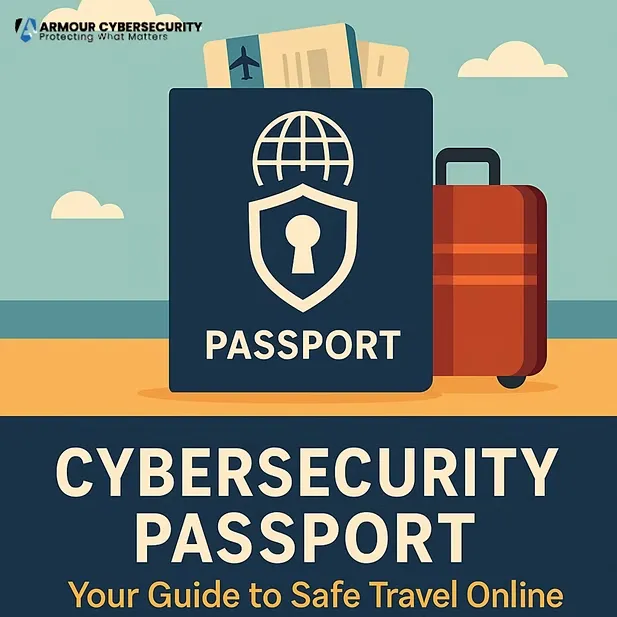
That’s why we created this Cybersecurity Passport — a practical, traveler-friendly guide packed with smart, actionable tips to help you protect your devices, data, and identity throughout your summer journey.
Think of it as your companion for safe digital travel — no matter where your next adventure takes you.
For organizations with remote employees and frequent business travelers, maintaining visibility into cyber threats during peak travel seasons can be challenging. Many businesses rely on security operations center services to continuously monitor suspicious activity, identify emerging threats, and help ensure security coverage remains active even when key personnel are away on vacation.
🧳 1. Before You Go: Prep Like a Pro
Just as you pack sunscreen and your passport, take time to protect your digital life:
- Update your devices and apps: Patches fix known security holes.
- Back up important data: So you don’t lose photos, contacts, or documents if your phone is lost or hacked.
- Enable multi-factor authentication (MFA): Adds a critical second layer of security.
- Limit social media sharing: Don’t broadcast your departure or travel plans — criminals monitor that.
🌐 2. On the Go: Smart Security in Transit
Public Wi-Fi and travel hubs are high-risk zones. Here’s how to protect yourself while in motion:
- Use a VPN: Always encrypt your connection on public Wi-Fi.
- Turn off Bluetooth & auto-connect: Avoid automatic connections to rogue hotspots.
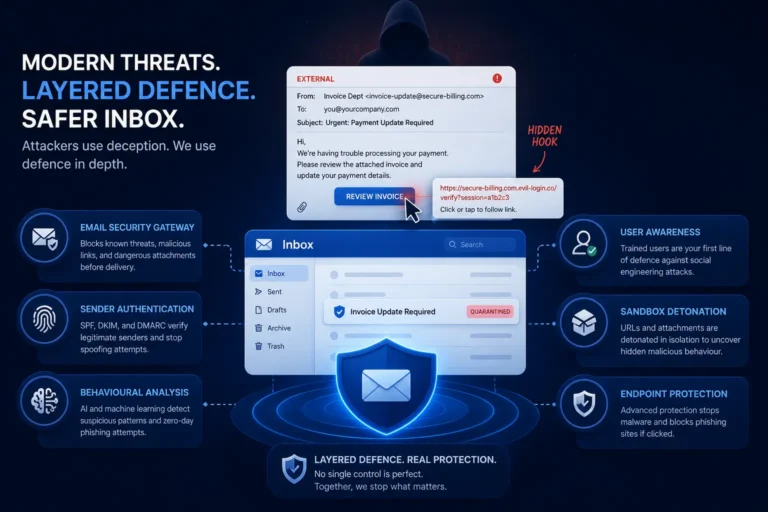
- Beware of phishing: Scam messages posing as airlines, hotels, or travel updates are rampant.
- Avoid USB charging stations: “Juice jacking” attacks can infect your device. Use your own charger.
🏨 3. At Your Destination: Stay Digitally Grounded
Once you arrive, stay cautious:
- Verify your hotel’s Wi-Fi name before connecting — attackers often set up fake look-alike networks.
- Use contactless or mobile payments: They’re more secure than magnetic-stripe cards.
- Keep devices locked away in a room safe when not in use.
- Check bank statements every few days for unauthorized charges.
🚨 4. Stay Alert: Even in Paradise
Relax, but don’t let your guard down entirely:
- Keep your devices on you in airports, taxis, and cafes.
- Avoid posting real-time updates of your location — wait until you return.
- Don’t trust “free” Wi-Fi unless you confirm it’s legitimate.
- Report lost or stolen devices immediately to your IT team or carrier.In a business environment, quick action is critical when a device is lost, compromised, or suspected of being accessed by unauthorized users. Organizations that have access to professional incident response services can investigate potential breaches faster, contain threats more effectively, and reduce the impact of cyber incidents before they escalate into larger business disruptions.
📦 Bonus: Cyber Travel Kit
Throw these in your carry-on:
- ✅ VPN subscription
- ✅ Portable power bank
- ✅ USB data blocker (“USB condom”)
- ✅ RFID-blocking wallet
- ✅ Secure cloud storage for photo backups
🧭 Conclusion: Travel Light, Travel Smart, Travel Secure
Cybercriminals may not follow you to the beach — but their phishing emails, fake hotspots, and device exploits definitely can.
Summer travel is meant to be carefree, but that doesn’t mean your security should take a vacation. As remote work, mobile banking, and social sharing continue to blur the lines between personal and professional data, your digital security posture travels with you — across borders, devices, and time zones.